Source Clear Cake Display Box for Food, Gifts, and Crafts
Compare 30 clear cake display box options from verified suppliers offering customizable sizes, laminated materials, and various printing finishes. These boxes support food, jewelry, and gift packaging needs with features like UV coating, gold stamping, and eco-friendly materials for diverse industrial uses.
Key considerations
Products List




Comprehensive Sourcing Guide
Clear Cake Display Box Sourcing Guide
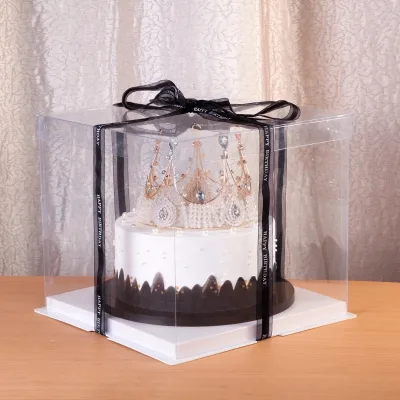
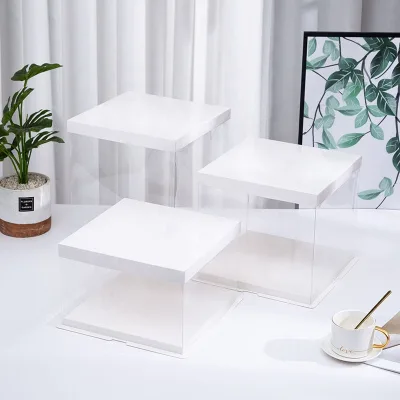
Procuring clear cake display boxes requires balancing aesthetic transparency with structural integrity to ensure product safety during transit. The observed market data indicates a diverse range of materials, including laminated paper, plastic, and kraft options, each serving distinct functional needs for food and cosmetic packaging. Buyers must carefully evaluate whether a transparent plastic construction or a laminated paper alternative better suits their specific branding and sustainability goals.
Selection decisions should also account for the wide variety of customization options available, such as specific layer counts, color finishes, and surface treatments like UV coating or gold stamping. Since the observed listings show models ranging from 4 to 16 inches with single to four-layer configurations, buyers need to align their order specifications with the exact dimensions required for their cake sizes to prevent damage or aesthetic compromise.
Product Scope and Observed Listing Signals
The current market offers a broad spectrum of clear cake display boxes designed for applications ranging from food service to jewelry and garment packaging. Observed listings highlight products with specific applications in arts and crafts, greeting cards, and health care products, suggesting versatility beyond simple bakery use. Buyers should verify that the selected box material, whether plastic or laminated paper, is explicitly rated for direct food contact if the primary use involves edible goods.
Listing signals also reveal significant variation in packaging formats, with options available in master cartons, plastic bags, or standard carton boxes. The presence of free stocked samples allows buyers to physically inspect the finish quality, such as matte or glossy lamination, before committing to larger orders. This flexibility in sample availability is a critical signal for verifying the actual product quality against the digital descriptions provided by suppliers.
Technical Specifications to Verify
Dimensional accuracy is paramount when sourcing these boxes, as observed specifications include precise measurements like 16x16x20.5 cm for double-layer models and 21.5x21.5x16 cm for single-layer variants. Buyers must confirm that the listed size, whether described as 4 inches, 6 inches, or a custom range, matches the physical dimensions of the cakes they intend to package to ensure a secure fit. The layer count, ranging from one to four layers, directly impacts the structural rigidity and protection level provided to the product inside.
Surface handling and finishing processes also require strict verification to meet brand standards. The observed data lists offset printing, embossing, debossing, and laser finishing as available processes, which can significantly alter the visual appeal and tactile experience of the packaging. Buyers should request physical samples to validate that the claimed finishes, such as gold stamping or transparent lamination, are applied correctly and do not compromise the clarity or durability of the box.
Compliance and Safety Documentation
Food safety compliance is a non-negotiable requirement for any clear cake display box intended for edible products, given the observed industrial use cases. While the data confirms the HS code 3924100000 for plastic tableware and kitchenware, buyers must independently verify that the specific plastic or laminated materials used meet local food contact regulations. Relying solely on the supplier's general claims without requesting specific migration test results or food-grade certification documents poses a significant compliance risk.
Environmental safety is another critical area where documentation must be scrutinized, as some listings claim the products are recyclable or eco-friendly. Buyers should demand evidence supporting these claims, such as third-party recycling certification or material composition statements, to ensure the packaging aligns with corporate sustainability mandates. The absence of specific certification details in the initial listing should trigger a request for formal documentation before any purchase agreement is finalized.
Cost Drivers and Commercial Terms
Pricing in this category is heavily influenced by the complexity of the customization and the material composition, with observed price points ranging from $0.01 to $5 per unit. The cost will fluctuate based on the number of layers, the inclusion of premium finishes like UV coating or gold stamping, and the specific color requirements, such as custom transparent or mixed color options. Buyers should anticipate that higher customization levels, including specific logo printing and unique shapes, will command a premium over standard white or clear stock items.
Minimum Order Quantities (MOQs) observed in the market vary significantly, ranging from 100 to 10,000 units, which directly impacts the unit economics of the procurement. Smaller orders may incur higher per-unit costs due to setup fees for printing and cutting processes, while larger volumes can leverage economies of scale to reduce the price. Additionally, the sample time of 5-7 days and the lead time for production must be factored into the overall commercial timeline to avoid delays in product launches.
Supplier Qualification and Quality Control
Supplier qualification should focus on their ability to consistently deliver the specific technical attributes observed in the listings, such as the precise layer counts and surface finishes. Buyers must assess the supplier's capacity to handle custom orders, including the ability to produce specific shapes like cartoon designs or standard rectangles, and to apply complex printing techniques like offset printing without defects. A robust quality control process is essential to ensure that the final product matches the approved sample in terms of color, clarity, and structural strength.
Verification of the supplier's production capabilities is also necessary to confirm their ability to meet the diverse size requirements, from 4-inch single layers to 16-inch multi-layer configurations. Buyers should inquire about their in-house testing procedures for durability and clarity, ensuring that the boxes can withstand the rigors of shipping and handling. Establishing a clear communication channel for addressing potential quality issues, such as misaligned printing or material inconsistencies, is vital for maintaining a successful long-term partnership.
Long-Term Procurement Checks
Sustaining a successful procurement relationship requires regular audits of the supplier's ability to maintain consistent quality over time, particularly regarding material stability and finish durability. Buyers should implement a schedule for periodic re-sampling to ensure that the laminated materials, plastic components, and printed logos remain consistent with the original specifications. This proactive approach helps identify any drift in quality that might occur due to changes in raw material suppliers or production processes.
Continuous monitoring of the supplier's compliance status is also critical, especially as food safety regulations and environmental standards evolve. Buyers must ensure that the supplier remains up-to-date with any new certifications or testing requirements that may apply to their specific product lines. Establishing a feedback loop for performance metrics, such as defect rates and on-time delivery, will help maintain high standards and ensure the clear cake display boxes continue to meet the evolving needs of the business.
FAQs
What materials are used for clear cake display boxes?
These boxes are primarily made from laminated materials, including paper, PET, and kraft options. Some variants utilize plastic for durability. The construction often involves multiple layers, such as two, three, or four layers, to ensure structural integrity. Materials are selected to be eco-friendly, recyclable, and safe for direct food contact, ensuring product protection during transport and display.
Can I customize the logo and printing on these boxes?
Yes, customization is available for branding purposes. You can add your logo using offset printing, UV coating, gold stamping, embossing, debossing, or laser techniques. The surface finish can be selected as either matte or glossy lamination. Colors include white, pink, blue, black, golden, and transparent options, allowing for tailored aesthetic designs that match your brand identity.
What sizes are available for these cake display boxes?
Standard models range from 4 to 14 inches in diameter. Specific dimensions include 4-inch single, double, and three-layer variants, as well as 6-inch single, double, three, and four-layer options. Custom sizes are also supported, with some standard models measuring 15 by 10 by 3 cm. Middle sizes are available, and dimensions can be tailored to fit specific cake heights and widths.
What is the typical MOQ and lead time for orders?
The minimum order quantity typically ranges from 100 to 10,000 units, depending on the specific model and customization requirements. Sample production time is generally 5 to 7 days, with free stocked samples often available for evaluation. Bulk production lead times vary by supplier capacity and order volume, so it is advisable to confirm specific timelines with manufacturers before placing large orders.
How are these boxes packaged for shipping?
Boxes are commonly packed in master cartons or individual plastic bags combined with carton boxes to prevent damage. The packaging ensures safe transit and storage. Each carton contains a specific quantity of units, and the total weight per package is usually under 0.5 kg for smaller units. Proper packing helps maintain the structural integrity of the laminated materials during international shipping and handling.
Are these boxes suitable for food industry use?
Yes, these boxes are explicitly designed for industrial food use. They are made from safe, recyclable materials like paper, PET, and kraft, ensuring compliance with food safety standards. The laminated structure provides a barrier against moisture and contaminants. They are suitable for packaging cakes, cosmetics, health care products, and other items requiring hygienic and protective display solutions in retail environments.